
The Science Behind Lip Oil: How It Differs from Lip Balm

 In the realm of lip care, the choices seem endless, with products ranging from classic lip balms to trendy lip oils. While both serve the common purpose of hydrating and protecting the delicate skin of the lips, there are distinct differences between the two. In this blog post, we’ll delve into the science behind lip oil and lip balm, exploring how they differ in formulation, function, and effectiveness.

Before we delve into the specifics, let’s start by defining what lip oil and lip balm are:

  • Lip Balm: Lip balm is a semi-solid wax-like substance typically formulated with ingredients such as beeswax, shea butter, and oils. Its primary purpose is to moisturize and protect the lips from dryness and environmental damage.
  • Lip Oil: Lip oil, on the other hand, is a lightweight, liquid-based product formulated with nourishing oils and sometimes supplemented with additional ingredients like vitamins and antioxidants. It aims to provide hydration, shine, and sometimes added benefits such as plumping or color enhancement.


The Science Behind Lip Balm:

 Lip balms typically contain occlusive ingredients like beeswax or petrolatum, which form a protective barrier on the lips’ surface. This barrier helps to seal in moisture, preventing water loss and protecting the lips from external aggressors like wind, cold, and UV radiation. Additionally, lip balms often contain emollients such as shea butter or coconut oil, which help to soften and smooth the lips’ texture.

The Science Behind Lip Oil:

 Lip oils are formulated with a blend of lightweight, nourishing oils such as jojoba oil, coconut oil, or grapeseed oil. Unlike lip balms, which primarily focus on creating a protective barrier, lip oils are designed to penetrate deeply into the lips’ skin, delivering intense hydration and nutrients. This makes them particularly effective for soothing dry, chapped lips and restoring moisture balance.
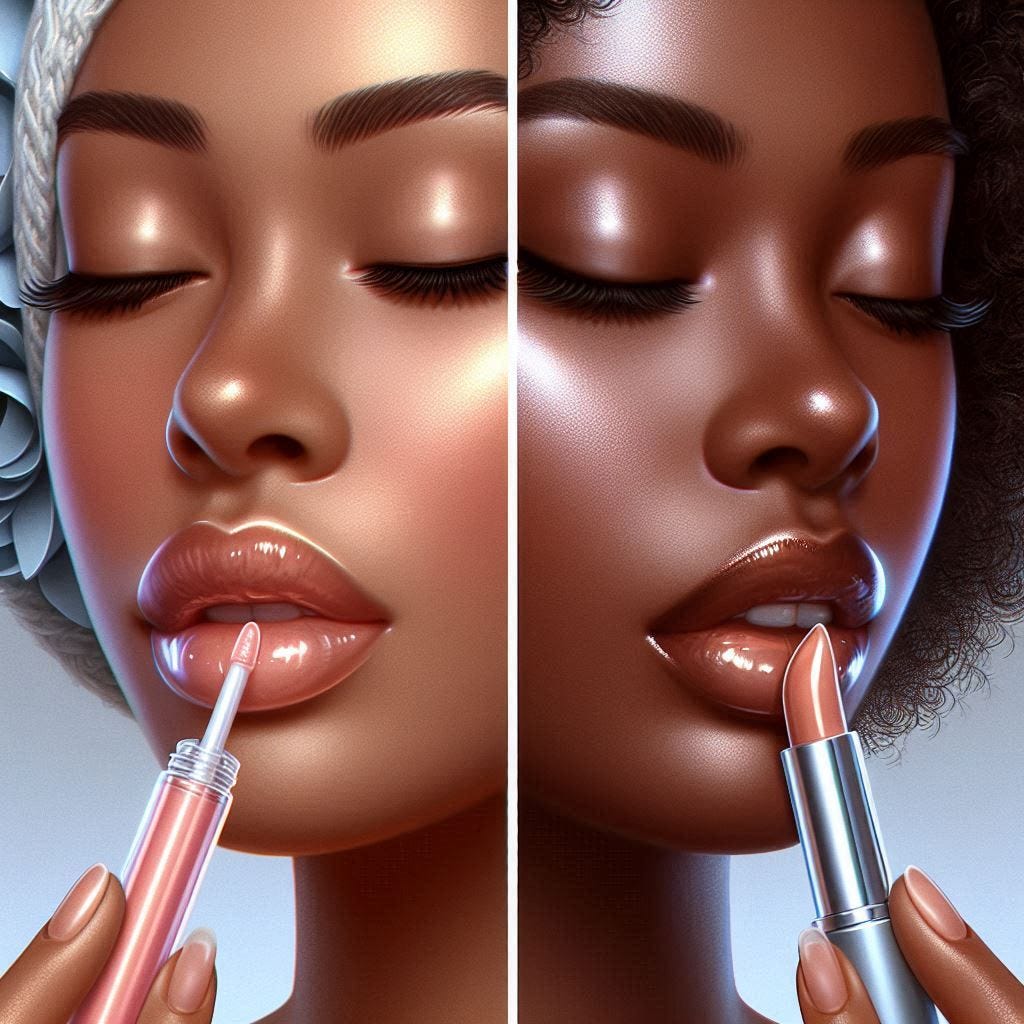
Key Differences Between Lip Oil and Lip Balm:

  1. Texture: Lip balm typically has a thicker, waxy texture, while lip oil has a lightweight, non-greasy texture that absorbs quickly into the lips.
  2. Hydration: Lip oil penetrates deeper into the skin, providing more intense hydration, while lip balm primarily acts as a protective barrier on the lips’ surface.
  3. Ingredients: Lip balm often contains occlusive ingredients like beeswax, whereas lip oil is formulated with nourishing oils that offer additional benefits such as antioxidants and vitamins.
  4. Finish: Lip balm usually provides a matte or satin finish, while lip oil offers a glossy, shiny finish that enhances the natural appearance of the lips.

In conclusion, while both lip oil and lip balm serve the common purpose of hydrating and protecting the lips, they differ significantly in formulation, function, and effectiveness. Lip balm creates a protective barrier on the lips’ surface, while lip oil penetrates deeply to deliver intense hydration and nourishment.

Follow us on Instagram @lumeco_care. DM us to order and give your lips the love they deserve!

Keep smiling and caring for those gorgeous lips. See you soon! 

: )


Comments

Popular posts from this blog

The Link Between Mental Health and Skin Health: It's Not Just Skin-Deep!

Hey there, gorgeous souls! 🌟 Ready to dive into a topic that’s as fascinating as it is important? We’re talking about the connection between mental health and skin health. Yep, that’s right — your mood can influence your glow! Let’s get into the nitty-gritty of how these two worlds collide and what you can do to keep both your mind and skin in top-notch shape. Stress Ever noticed how a breakout seems to pop up right before a big event or exam? That’s no coincidence. Stress can wreak havoc on your skin. When you’re stressed, your body releases cortisol, the “stress hormone,” which can lead to inflammation and breakouts. Think of cortisol as that uninvited guest who messes up your perfectly clean home — not cool, right? What to Do: Mindfulness Meditation: Take 10 minutes each day to breathe deeply and center yourself. Apps like Headspace or Calm can guide you through the process. Exercise: Even a short walk can help reduce stress levels. Plus, it gets the blood flowing, giving yo...

The Ultimate Guide for Acne-Prone Skin

 Struggling with acne can feel like a never-ending battle, but embracing a natural skincare routine can be a game-changer. Say goodbye to harsh chemicals and hello to a more holistic, gentle approach to clearer, healthier skin. Ready to dive in? Let’s go! Understanding Acne (Without the Jargon) So, what’s the deal with acne? It’s that annoying situation where your hair follicles get clogged with oil, dead skin cells, and bacteria. Think of it as a mini traffic jam on your face. This congestion can lead to whiteheads, blackheads, pimples, and even cysts. Factors like hormones, diet, stress, and certain medications can make it worse. But don’t worry, we’ve got your back with some natural solutions and reliable products! Step 1: Cleanse Gently, Love Your Skin Morning and Night Cleansing : Start and end your day with a gentle, natural cleanser. Look for products like Cetaphil Daily Facial Cleanser , Himalaya Purifying Neem Face Wash or Biotique Bio Honey Gel Refreshing Foami...

Natural Remedies for Common Skincare Problems

 Skincare is a universal concern, but natural remedies offer a gentle, effective, and affordable way to address various issues. Here’s a guide to tackling some common skincare problems using easily accessible natural ingredients. 1. Acne and Pimples Neem and Turmeric Face Pack Ingredients: Neem leaves, turmeric powder, and water. Method: Grind neem leaves to a paste and add a pinch of turmeric. Mix with water to form a smooth paste. Apply on the face and leave it for 20 minutes before washing off with lukewarm water. Benefits: Neem has antibacterial properties, while turmeric reduces inflammation and helps prevent future breakouts. 2. Oily Skin Multani Mitti (Fuller’s Earth) Mask Ingredients: Multani mitti, rose water, and a few drops of lemon juice. Method: Mix all ingredients to form a smooth paste. Apply on the face and let it dry for 15 minutes. Rinse with cool water. Benefits: Multani mitti absorbs excess oil and impurities, while rose water soothes the skin and lemo...